


Introduction
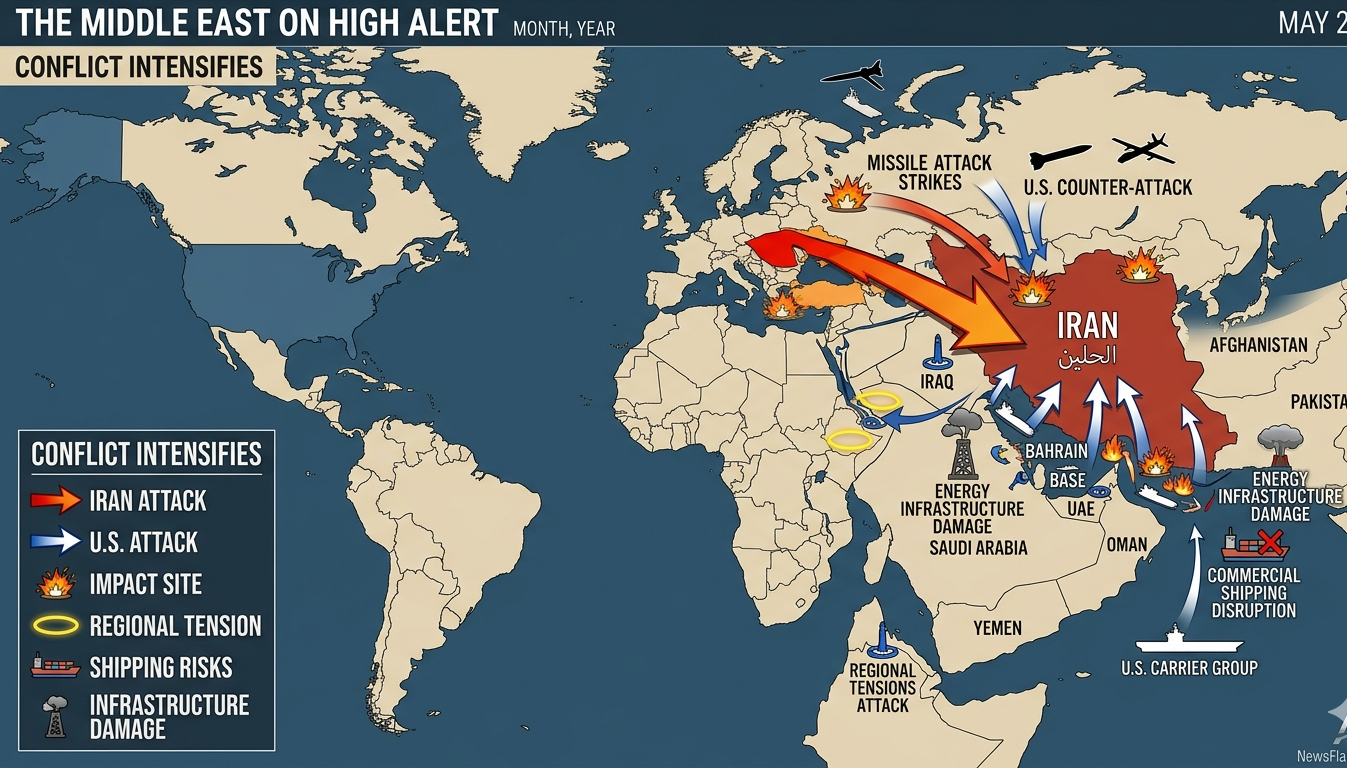
The war impact on Middle East has been one of the most significant global concerns in recent decades, shaping not only regional stability but also international politics and economic trends. Ongoing conflicts, political tensions, and military interventions have created a complex environment that affects millions of people living in the region. From humanitarian crises to economic disruption, the consequences are deep and far-reaching.
Understanding the war impact on Middle East requires looking beyond headlines and analyzing the real effects on societies, governments, and global systems. These conflicts influence energy markets, migration patterns, and diplomatic relations worldwide. As the region continues to face uncertainty, it becomes increasingly important to examine how war is reshaping its future.
Historical Background of Conflicts in the Region
The roots of the war impact on Middle East can be traced back to historical disputes, colonial boundaries, and political rivalries. Over time, these factors have evolved into larger conflicts involving both regional and global powers. The legacy of past wars continues to influence current tensions and alliances.
Many of the modern challenges are linked to unresolved issues that have persisted for decades. The war impact on Middle East is deeply connected to these historical developments, making it difficult to achieve long-term peace without addressing the underlying causes of conflict.
Economic Consequences of Ongoing Wars
The war impact on Middle East has severely affected the region’s economy. Infrastructure damage, reduced investment, and disrupted trade routes have slowed economic growth and increased unemployment. Countries involved in conflict often struggle to rebuild their economies while dealing with ongoing instability.
Global markets are also influenced by these conflicts, particularly in the energy sector. The war impact on Middle East plays a major role in oil price fluctuations, which can affect economies worldwide. This connection highlights how regional conflicts can have far-reaching economic consequences.
Humanitarian Crisis and Civilian Suffering
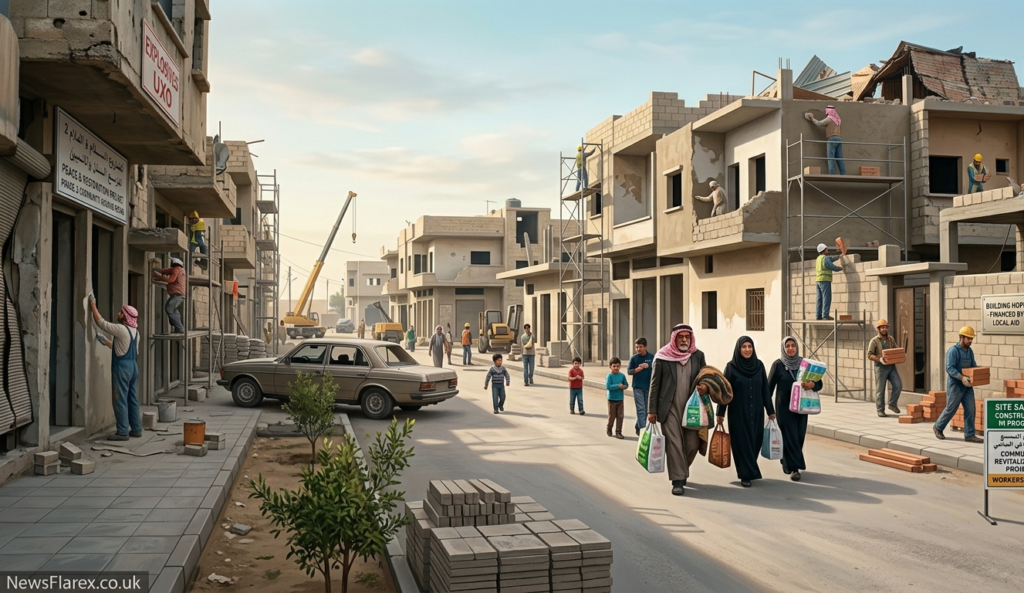
One of the most serious aspects of the war impact on Middle East is the humanitarian crisis faced by civilians. Millions of people have been displaced from their homes, leading to refugee crises in neighboring countries and beyond. Access to basic necessities such as food, water, and healthcare is often limited.
The emotional and psychological toll of conflict is equally significant. impact on Middle East includes long-term trauma for individuals and communities, especially children who grow up in war-affected environments. These challenges make recovery and rebuilding even more difficult.
Political Instability and Governance Challenges
The war impact on Middle East has created significant political instability in many countries. Governments often face challenges in maintaining control, leading to power struggles and weakened institutions. This instability can create opportunities for extremist groups to gain influence.
Efforts to establish stable governance are complicated by ongoing conflicts and external involvement. impact on Middle East continues to shape political landscapes, making it difficult for nations to achieve lasting peace and effective governance.
Effects on Global Energy Markets
The Middle East is a key player in global energy production, and the impact on Middle East directly affects oil and gas supply. Disruptions in production or transportation can lead to price volatility, impacting economies around the world.
Energy security has become a major concern due to these conflicts. The war impact on Middle East forces countries to explore alternative energy sources and strategies to reduce dependence on unstable regions.
Social and Cultural Changes in the Region
The war impact on Middle East has led to significant social and cultural changes. Communities have been reshaped by displacement, loss, and adaptation to new environments. Traditional ways of life are often disrupted, leading to shifts in cultural identity.
At the same time, resilience and innovation have emerged as people find ways to cope with challenges. impact on Middle East has created a complex mix of loss and transformation that continues to shape societies in the region.
Role of International Powers
International involvement has played a major role in shaping the war impact on Middle East. Global powers often engage in the region due to strategic interests, including energy resources and geopolitical influence. This involvement can sometimes escalate conflicts rather than resolve them.
Diplomatic efforts and peace negotiations are also influenced by international actors. The impact on Middle East is closely linked to global politics, making it a key issue in international relations.
Future Outlook and Possibility of Peace
The future of the region depends on addressing the root causes of conflict and promoting cooperation among nations. The impact on Middle East will continue to influence global stability if lasting solutions are not found.
There is hope for peace through dialogue, economic development, and international support. Reducing the impact on Middle East requires long-term commitment and collaboration from both regional and global stakeholders.
Conclusion
The war impact on Middle East is a complex and ongoing issue that affects not only the region but the entire world. From economic disruption to humanitarian crises, the consequences are wide-ranging and deeply interconnected.
Understanding these impacts is essential for building awareness and supporting efforts toward peace. As global attention remains focused on the region, addressing the impact on Middle East will be crucial for achieving stability and long-term development.
You can read more about the latest developments and global analysis on Middle East conflicts on this trusted international news source.
