


Introduction to Types of Diabetes
Diabetes is one of the most common chronic health conditions in the world, affecting millions of people across different age groups. It develops when the body is unable to properly regulate blood sugar levels, either due to a lack of insulin or the inability to use insulin effectively. Over time, this imbalance can lead to serious health complications if not managed properly. Understanding the disease at its core is the first step toward prevention and long-term control.
The concept of types of diabetes is essential because diabetes is not a single condition but a group of related disorders. Each type has unique causes, risk factors, and treatment approaches. By learning how these types differ and what they have in common, individuals can make better lifestyle choices and seek appropriate medical care when needed.
What Is Diabetes and How It Develops
Diabetes occurs when glucose, the body’s primary energy source, builds up in the bloodstream instead of being used by the cells. This happens due to problems with insulin, a hormone produced by the pancreas that helps regulate blood sugar. When insulin is absent, insufficient, or ineffective, glucose levels rise and begin to affect the body negatively.
Over time, uncontrolled blood sugar can damage vital organs such as the heart, kidneys, nerves, and eyes. This is why diabetes is considered a long-term condition that requires consistent monitoring and management. Recognizing how the disease develops helps in understanding the various types of diabetes and their specific characteristics.
Type 1 Diabetes and Its Autoimmune Nature
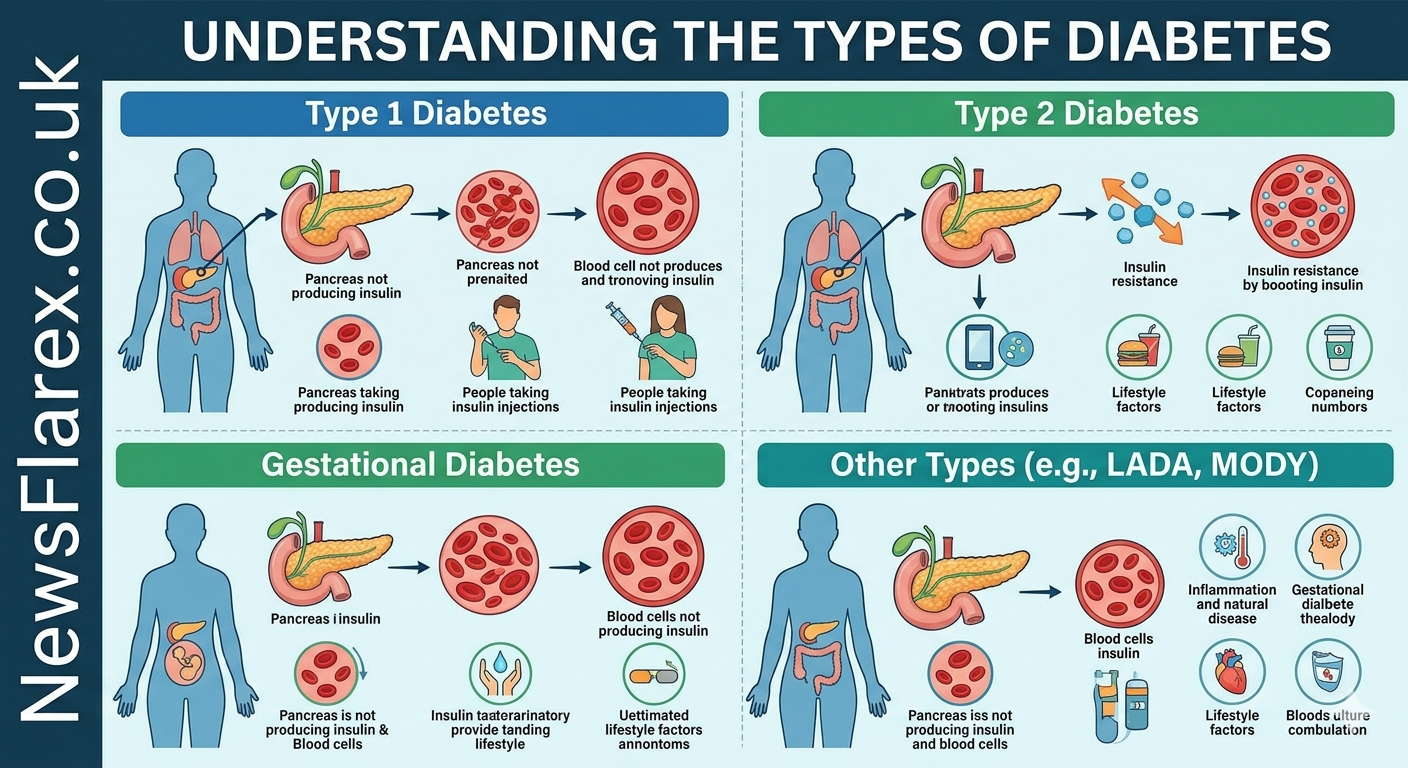
Type 1 diabetes is an autoimmune condition in which the body’s immune system attacks and destroys the insulin-producing cells in the pancreas. As a result, the body produces little or no insulin, making external insulin therapy necessary for survival. This type often develops suddenly and is commonly diagnosed in children and young adults.
Symptoms of type 1 diabetes can appear quickly and may include excessive thirst, frequent urination, fatigue, and unexplained weight loss. Although there is currently no known way to prevent it, early diagnosis and proper treatment can help individuals manage the condition effectively. This form plays a key role in understanding the broader picture of types of diabetes.
Type 2 Diabetes and Lifestyle Factors
Type 2 diabetes is the most common form of the disease and is closely linked to lifestyle and genetic factors. It occurs when the body becomes resistant to insulin or does not produce enough to maintain normal blood sugar levels. Unlike type 1, this form develops gradually and may go unnoticed for years.
Risk factors include obesity, lack of physical activity, poor diet, and family history. The good news is that type 2 diabetes can often be prevented or delayed through healthy lifestyle changes. Managing weight, eating balanced meals, and staying active are key strategies. Among all the types of diabetes, this one is most strongly influenced by daily habits.
Gestational Diabetes and Pregnancy
Gestational diabetes develops during pregnancy when hormonal changes interfere with the body’s ability to use insulin effectively. This results in elevated blood sugar levels that can affect both the mother and the baby. Although it usually resolves after childbirth, it requires careful monitoring throughout pregnancy.
Women who experience gestational diabetes have a higher risk of developing type 2 diabetes later in life. Proper management through diet, exercise, and medical guidance is essential to ensure a healthy pregnancy. This condition highlights how the types of diabetes can vary depending on life stages and physiological changes.
Prediabetes as an Early Warning Stage
Prediabetes is a condition where blood sugar levels are higher than normal but not high enough to be classified as diabetes. It serves as a warning sign that the body is beginning to struggle with glucose regulation. Many people with prediabetes are unaware of their condition because symptoms are often mild or absent.
The importance of prediabetes lies in its reversibility. With timely lifestyle changes such as improved diet, increased physical activity, and weight management, it is possible to prevent progression to type 2 diabetes. Understanding this stage is crucial when discussing the full range of types of diabetes and their progression.
Rare and Less Common Forms of Diabetes
In addition to the main categories, there are several less common forms of diabetes that are often overlooked. These include genetic forms such as monogenic diabetes and conditions caused by other medical issues affecting the pancreas. While these types are rare, they require specialized diagnosis and treatment.
Some individuals may also develop diabetes as a result of certain medications or underlying health conditions. These variations demonstrate that diabetes is a complex disease with multiple pathways. Recognizing these less common conditions adds depth to the understanding of types of diabetes and ensures that patients receive accurate care.
Symptoms and Early Detection
Many forms of diabetes share common symptoms, including increased thirst, frequent urination, fatigue, blurred vision, and slow healing of wounds. These symptoms occur because excess glucose in the bloodstream disrupts normal bodily functions. In some cases, symptoms appear quickly, while in others, they develop gradually over time.
Early detection is critical in preventing complications. Regular health checkups and blood sugar testing can help identify diabetes at an early stage. Being aware of the warning signs allows individuals to seek medical advice promptly and begin appropriate treatment before the condition worsens.
Prevention and Lifestyle Management
Preventing diabetes, particularly type 2, involves making consistent and healthy lifestyle choices. A balanced diet rich in whole foods, regular physical activity, and maintaining a healthy weight are key factors in reducing risk. Avoiding excessive sugar intake and managing stress also contribute to better blood sugar control.
For those already diagnosed, lifestyle management remains a cornerstone of treatment. Monitoring blood sugar levels, following medical advice, and staying active can significantly improve quality of life. These preventive and management strategies apply across most types of diabetes, emphasizing the importance of daily habits.
Treatment and Long-Term Care
Treatment for diabetes varies depending on the type and severity of the condition. Type 1 diabetes requires lifelong insulin therapy, while type 2 may be managed with lifestyle changes, oral medications, or insulin if necessary. Gestational diabetes is typically managed through careful monitoring and dietary adjustments during pregnancy.
Long-term care focuses on preventing complications by maintaining stable blood sugar levels. This includes regular medical checkups, monitoring, and education about the condition. Effective treatment plans are tailored to individual needs, ensuring that each person can manage their condition successfully.
Conclusion
Diabetes is a multifaceted condition that requires a clear understanding of its different forms and their unique characteristics. From type 1 and type 2 diabetes to gestational diabetes and prediabetes, each category presents its own challenges and management strategies. Learning about these differences helps individuals take control of their health and make informed decisions.
In conclusion, understanding the types of diabetes is essential for prevention, early detection, and effective treatment. With the right knowledge, lifestyle choices, and medical support, it is possible to manage diabetes and lead a healthy, fulfilling life.
