


Introduction
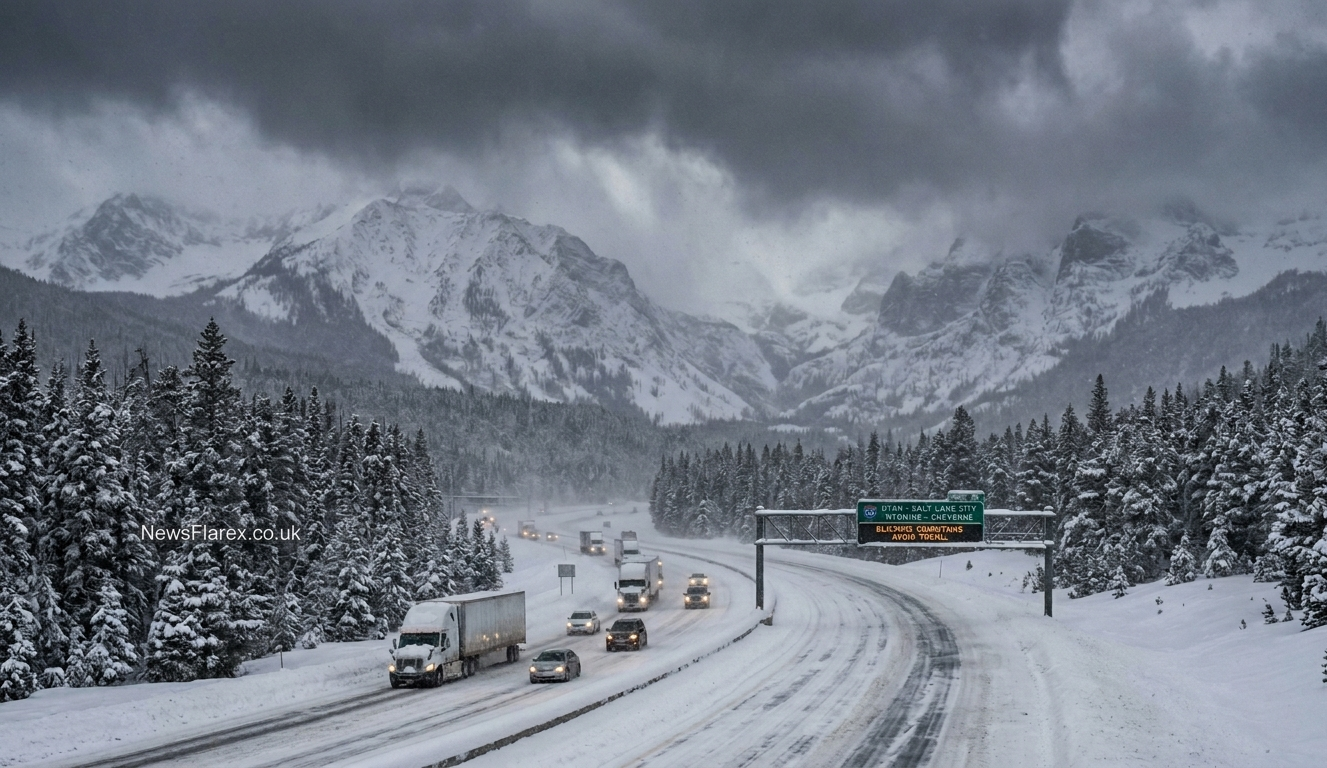
A powerful winter weather system, often referred to in news reports as a winter storm Colorado Wyoming Utah, has recently impacted large parts of the central Rocky Mountain region in the United States. This storm brought heavy snowfall, freezing temperatures, strong winds, and dangerous travel conditions across multiple states, disrupting daily life and creating hazardous conditions for residents and travelers.
Such storms are not unusual for this region, especially during late fall and winter transitions when cold Arctic air meets moisture-rich Pacific systems. However, the intensity and spread of this particular system made it a significant weather event, affecting transportation, aviation, and mountain communities across Colorado, Wyoming, and Utah.
How the Winter Storm Developed Across the Rocky Mountains
The development of the winter storm Colorado Wyoming Utah began when a strong low-pressure system moved eastward from the Pacific Ocean and collided with a cold air mass already settled over the Rocky Mountains. This interaction created a powerful atmospheric instability that led to rapid snowfall accumulation across high-altitude regions.
Meteorologists often explain that these systems intensify when moist air is forced upward by mountain ranges, a process known as orographic lift. As air rises, it cools and condenses, producing heavy snowfall. This is one of the main reasons why Colorado, Wyoming, and Utah frequently experience intense winter storms compared to lower elevation states.
Colorado’s Heavy Snowfall and Mountain Impacts
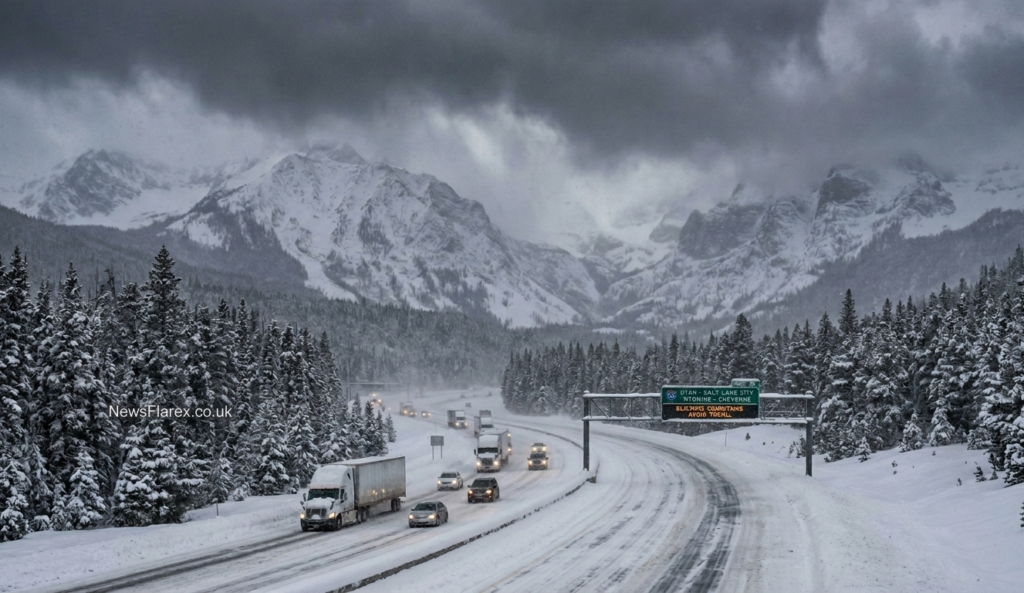
Colorado experienced some of the most severe conditions during this winter storm Colorado Wyoming Utah, particularly in mountainous areas and ski regions. Snowfall totals in certain zones exceeded a foot within a short time, while strong winds created drifting snow and reduced visibility on highways and mountain passes.
The Rocky Mountains in Colorado are especially vulnerable because of their elevation and geography. Roads such as mountain passes often become impassable during heavy snow events, leading to closures and emergency responses. Local authorities typically advise against travel during peak storm conditions due to rapidly changing weather and avalanche risks.
Wyoming’s Blizzards and Extreme Wind Conditions
Wyoming was heavily affected by strong winds and blizzard-like conditions during the storm system. Open landscapes in the state allow winds to travel unobstructed, which increases the severity of blowing snow and whiteout conditions. This made travel extremely dangerous, especially on highways and rural routes.
In many areas, temperatures dropped sharply as the storm moved through, creating wind chill values that felt significantly colder than actual readings. The combination of wind, snow, and freezing temperatures is a defining feature of winter storms in Wyoming and is a major reason why the state frequently issues weather advisories during such events.
Utah Snowfall and Mountain Weather Disruptions
Utah also experienced widespread snowfall, particularly in its mountainous regions such as the Wasatch Range. The winter storm Colorado Wyoming Utah system brought consistent snow accumulation that benefited ski resorts but also caused road disruptions and travel delays in affected areas.
The geography of Utah plays a key role in shaping its winter weather. Moist air from the Pacific is often trapped and lifted by mountain ranges, leading to prolonged snowfall events. While this supports the state’s ski industry, it also creates challenges for transportation and infrastructure during severe weather systems.
Transportation Challenges and Highway Closures
One of the most significant impacts of the winter storm Colorado Wyoming Utah was disruption to transportation networks across all three states. Interstate highways, mountain passes, and rural roads experienced closures due to snow accumulation, ice formation, and poor visibility.
Drivers faced hazardous conditions such as black ice, drifting snow, and sudden whiteouts. These conditions often lead to accidents and stranded vehicles, prompting emergency response teams to assist motorists. Aviation was also affected, with flight delays and cancellations reported at major regional airports due to low visibility and runway snow accumulation.
Temperature Drops and Dangerous Cold Conditions
Alongside heavy snowfall, the storm brought significant temperature drops across Colorado, Wyoming, and Utah. Cold Arctic air moved in behind the system, causing temperatures to fall well below seasonal averages in many locations.
These sudden temperature changes created freezing conditions that affected both urban and rural areas. Roads became icy, heating demand increased, and outdoor exposure became dangerous in certain regions. The combination of snow and extreme cold is a defining characteristic of major Rocky Mountain winter storms.
Avalanche Risks in Mountain Regions
A major concern during the winter storm Colorado Wyoming Utah was the increased risk of avalanches in mountainous terrain. Heavy snowfall combined with strong winds created unstable snow layers on steep slopes, increasing the likelihood of snow slides.
Colorado and Utah, in particular, have well-known avalanche-prone areas where backcountry skiing and hiking are popular. During and after major storms, avalanche warnings are often issued to prevent accidents. Even after snowfall stops, the risk can remain high for several days due to shifting snowpack conditions.
Emergency Response and Public Safety Measures
Local authorities across all three states activated emergency response systems during the storm to ensure public safety. Road crews worked continuously to clear highways, while weather agencies issued warnings and updates to keep residents informed about changing conditions.
Public safety messages emphasized avoiding unnecessary travel, preparing emergency kits, and staying updated with weather alerts. These measures are essential during large-scale winter storms because conditions can change rapidly and unexpectedly in mountainous regions.
Forecast Trends and Future Weather Outlook
After the passage of the winter storm Colorado Wyoming Utah, meteorologists observed that conditions were expected to gradually stabilize, although lingering snow showers and cold temperatures continued in higher elevations. Such systems often leave behind residual impacts, including icy roads and compacted snow.
Weather experts also noted that the region remains active in terms of winter storm patterns. Additional systems can form as long as cold air masses and Pacific moisture continue to interact over the Rocky Mountains. This means that similar storms may develop later in the season.
Conclusion
The recent winter storm Colorado Wyoming Utah highlighted the power and unpredictability of Rocky Mountain weather systems. With heavy snowfall, freezing temperatures, and widespread travel disruptions, the storm significantly affected daily life across three major states.
From Colorado’s mountain passes to Wyoming’s blizzard conditions and Utah’s snow-filled valleys, the storm demonstrated how quickly weather can change in this region. As winter continues, preparedness, awareness, and timely weather updates remain essential for staying safe in these dynamic and often extreme conditions.
For more official weather updates and safety alerts, visit your local meteorological authority website or trusted news sources.
