


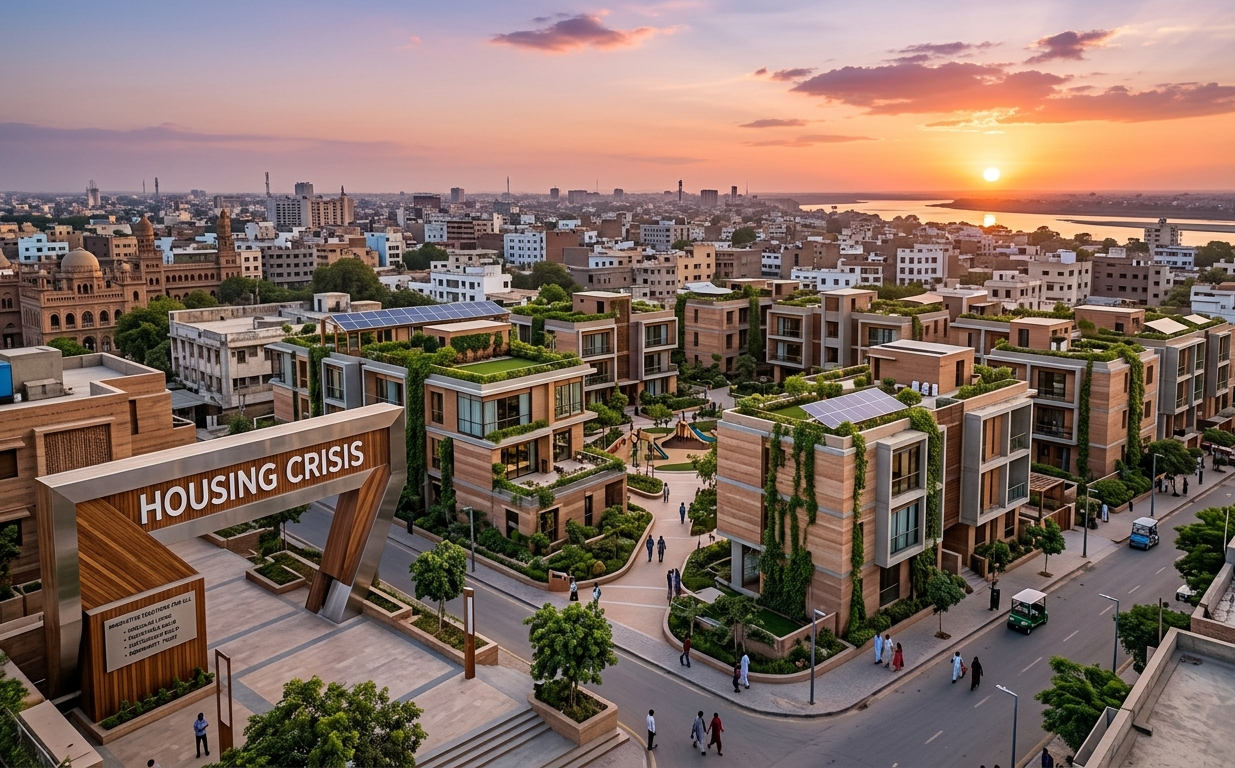
The housing crisis has emerged as one of the most urgent economic challenges in the United States, affecting millions of households across different income levels. From rapidly rising home prices to a severe shortage of affordable rental units, the problem has grown steadily over the past two decades. It is no longer limited to major cities but has expanded into suburban and even rural areas, making housing affordability a nationwide concern.
At its core, the housing crisis reflects a structural imbalance between supply and demand. The demand for housing continues to increase due to population growth, urbanization, and changing lifestyle preferences, while the supply of new homes has failed to keep pace. This gap has driven prices upward, placing significant financial pressure on both buyers and renters.
Understanding the Housing Crisis in Modern America
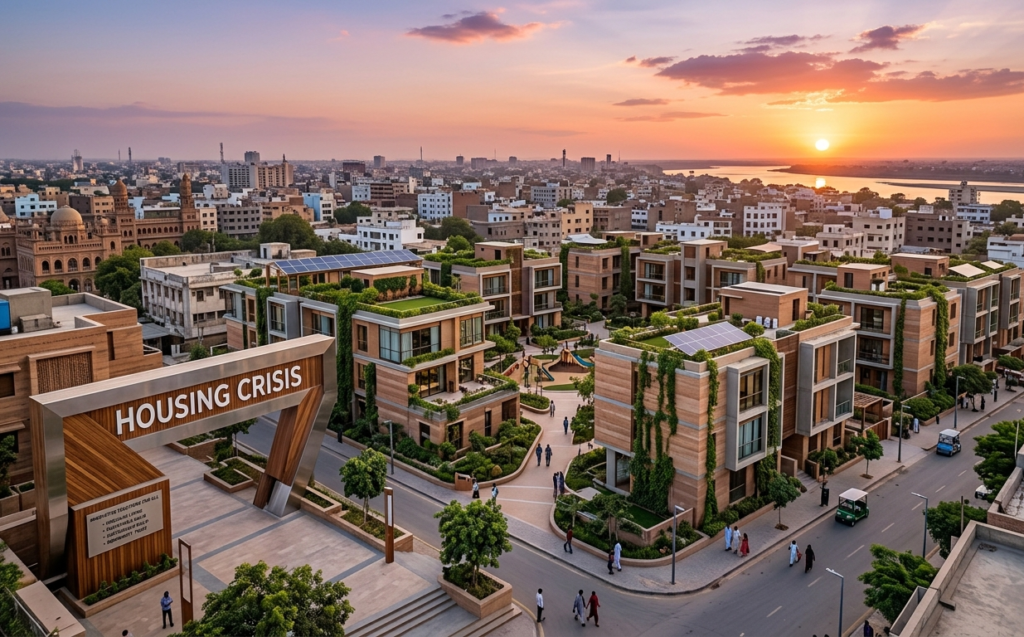
The housing crisis refers to a persistent shortage of affordable housing combined with rising costs that make it difficult for individuals and families to secure stable living conditions. In the United States, this issue has become more pronounced due to years of underbuilding and economic fluctuations that have shaped the real estate market.
Housing affordability is typically measured by the percentage of income spent on housing costs. When households spend more than 30 percent of their income on rent or mortgage payments, they are considered cost-burdened. In today’s market, a growing number of Americans fall into this category, indicating the severity of the crisis.
The issue is not only economic but also social. Stable housing is closely linked to better health outcomes, educational opportunities, and job stability. When people struggle to afford housing, it creates a ripple effect that impacts multiple aspects of their lives.
The Growing Housing Shortage and Supply Gap
One of the most significant drivers of the housing crisis is the ongoing shortage of homes. Estimates suggest that the United States is short by several million housing units, a gap that has been widening over time. This shortage affects both the ownership market and the rental sector, making it harder for people to find suitable housing.
The roots of this shortage can be traced back to the aftermath of the 2008 financial crisis. During that period, home construction slowed dramatically, and many builders exited the market. Although construction activity has increased in recent years, it has not been sufficient to meet the growing demand.
Additionally, the shortage is more severe in certain regions, particularly in high-demand urban areas. Limited land availability, strict zoning regulations, and high construction costs have made it difficult to build new homes where they are needed most.
Rising Home Prices and Declining Affordability
The imbalance between supply and demand has led to a sharp increase in home prices across the country. Over the past decade, housing prices have risen significantly, making homeownership less accessible for first-time buyers and middle-income families.
Higher mortgage rates have further compounded the problem. As interest rates rise, monthly payments become more expensive, reducing the purchasing power of potential buyers. This has forced many individuals to delay homeownership or remain in the rental market longer than expected.
The affordability crisis is particularly challenging for younger generations. Many millennials and Gen Z individuals face high student loan debt and stagnant wage growth, making it difficult to save for a down payment while keeping up with rising living costs.
The Rental Market and Affordable Housing Crisis
The housing crisis is not limited to homebuyers; renters are equally affected, if not more so. Rental prices have surged in many cities, driven by high demand and limited availability of affordable units. As a result, many renters are spending a large portion of their income on housing.
The shortage of affordable rental housing is especially severe for low-income households. In many cases, there are simply not enough units available for those who need them most. This has led to increased competition, higher rents, and a greater risk of eviction and homelessness.
Housing instability among renters has broader social implications. Families facing frequent moves or financial stress often experience disruptions in education, employment, and healthcare access, further exacerbating inequality.
Key Causes Behind the Housing Crisis
Several interconnected factors contribute to the housing crisis. One major cause is restrictive zoning laws, which limit the types of housing that can be built in certain areas. These regulations often favor single-family homes over higher-density developments, reducing the overall housing supply.
Another important factor is the rising cost of construction. Labor shortages, increased material prices, and supply chain disruptions have made it more expensive to build new homes. These costs are often passed on to buyers and renters, further driving up prices.
Economic conditions also play a role. Inflation, wage stagnation, and high interest rates have all contributed to reduced affordability. Additionally, investor activity in the housing market has increased competition, making it harder for individual buyers to secure homes.
Regional Disparities and Urban vs Suburban Trends
The housing crisis varies significantly across different regions of the United States. Major metropolitan areas tend to experience the most severe shortages and highest prices due to strong job markets and high demand.
Cities like New York, Los Angeles, and San Francisco are known for their high housing costs, where even middle-income households struggle to afford living expenses. In contrast, some suburban and rural areas offer more affordable housing but may lack sufficient job opportunities or infrastructure.
In recent years, there has been a shift toward suburban living, partly driven by remote work trends. This has increased demand in previously less competitive markets, causing prices to rise in those areas as well.
Economic and Social Impacts of the Housing Crisis
The housing crisis has far-reaching economic consequences. High housing costs reduce disposable income, limiting consumer spending and slowing economic growth. Businesses may also face challenges in attracting and retaining workers if employees cannot afford to live nearby.
Socially, the crisis contributes to growing inequality. Wealth accumulation through homeownership becomes less accessible, widening the gap between those who own property and those who do not. This has long-term implications for financial stability and generational wealth.
Homelessness is another serious outcome of the housing crisis. As housing becomes less affordable, more individuals and families are at risk of losing their homes, leading to increased pressure on social services and community resources.
Government Policies and Market Interventions
Governments at the federal, state, and local levels have introduced various policies to address the housing crisis. These include subsidies for affordable housing, tax incentives for developers, and programs aimed at assisting first-time homebuyers.
Zoning reform has become a key focus in many areas, with efforts to allow for higher-density housing and reduce regulatory barriers. These changes aim to increase the housing supply and improve affordability over time.
However, policy implementation often faces challenges, including political resistance and funding limitations. While progress has been made, many experts agree that more comprehensive and coordinated efforts are needed to address the crisis effectively.
Long-Term Solutions and Future Outlook
Solving the housing crisis requires a multifaceted approach that addresses both supply and affordability. Increasing the construction of new homes, particularly affordable units, is essential to closing the supply gap.
Innovative housing solutions, such as modular construction and mixed-use developments, offer promising alternatives to traditional building methods. These approaches can reduce costs and accelerate the development process, making housing more accessible.
Looking ahead, the future of the housing market will depend on sustained efforts from policymakers, industry leaders, and communities. By addressing the underlying causes of the crisis and implementing effective solutions, it is possible to create a more balanced and equitable housing system for all Americans.
