


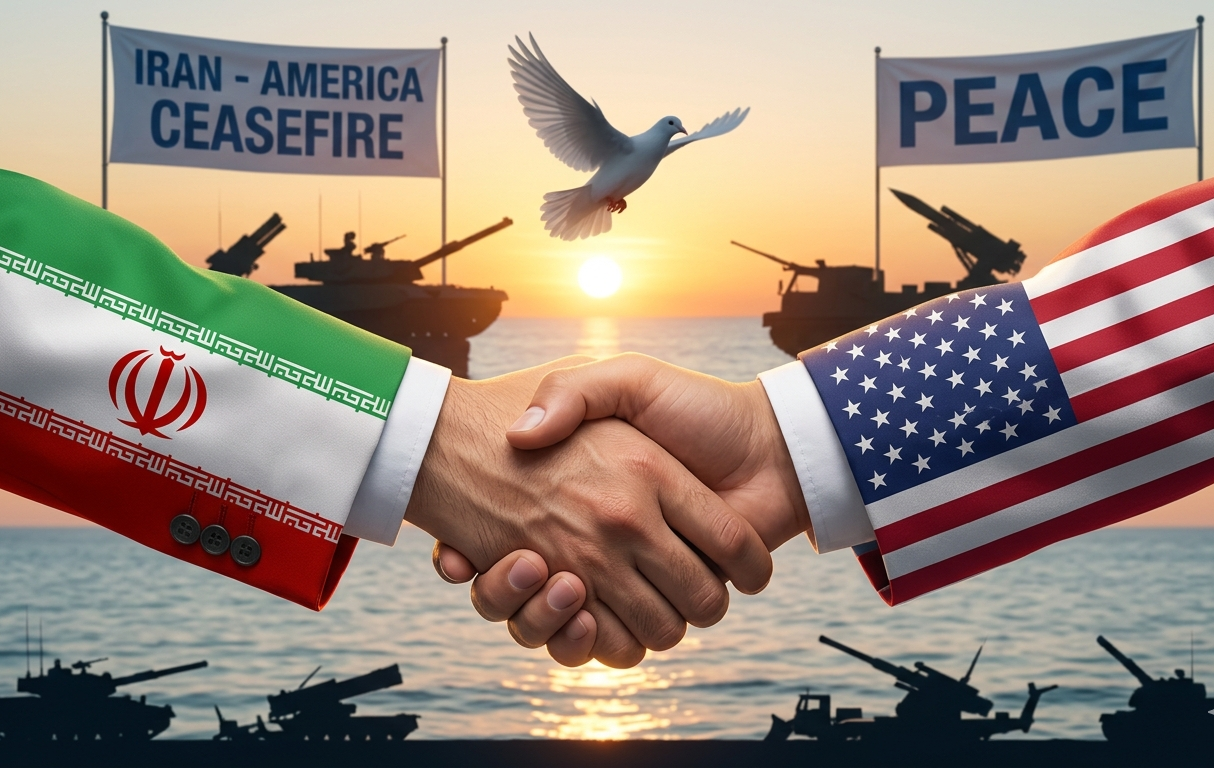
In early April 2026, global attention shifted dramatically as the United States and Iran agreed to a temporary Iran ceasefire after weeks of escalating tensions that had threatened wider conflict in the Middle East. The truce, formally announced on April 8, 2026, was brokered through diplomatic efforts led by Pakistan and supported by several international actors. This two-week pause in hostilities marked a significant moment in a crisis that had drawn concern from world leaders due to its potential impact on global peace and economic stability.
The Background to the Iran Ceasefire and Negotiations
The conflict between the United States and Iran had intensified over preceding months, with both sides engaging in actions and rhetoric that fueled fears of open warfare. Prior to the Iran Ceasefire the U.S. had issued stark warnings, including threats of targeting key Iranian infrastructure, while Iran maintained a firm stance against external pressure. These tensions were compounded by disruptions to shipping through the Strait of Hormuz, heightening global concerns about energy supply and international trade.
Earlier ceasefire proposals were rejected by Tehran, which emphasized the need for a permanent end to hostilities rather than a temporary halt. Iranian officials conveyed a detailed response through Pakistan, outlining conditions that went beyond a short-term pause and called for broader regional peace and respect for Iran’s strategic concerns. This initial rejection underscored the deep mistrust between the parties and the complexities involved in negotiating the Iran Ceasefire.
Pakistan’s Role in Mediating the Ceasefire
Pakistan played a pivotal role in facilitating the Iran Ceasefire agreement, acting as a neutral intermediary between the United States and Iran. Pakistani Prime Minister Shehbaz Sharif and military leadership, including Field Marshal Asim Munir, were instrumental in coordinating discussions that ultimately led to the Iran Ceasefire and the temporary truce. Islamabad’s involvement was widely recognized as crucial in bridging communication gaps and creating a framework acceptable to both sides during the Iran Ceasefire negotiations.
The decision to hold further negotiations in Pakistan reflects Islamabad’s diplomatic influence and its willingness to host high-stakes peace talks. These talks are expected to focus on transforming the temporary Iran Ceasefire into a more enduring peace agreement, addressing not only the immediate cessation of violence but also underlying issues such as regional security arrangements and economic concerns.

Terms of the Two-Week Ceasefire
Under the terms of the agreement, military actions between the United States and Iran were paused for two weeks, creating a window for diplomatic engagement under the iran ceasefire. A key condition of the iran ceasefire was Iran’s commitment to allow the safe reopening of the Strait of Hormuz, which had been closed amid rising tensions. This waterway is vital for global oil transport, and its closure had exacerbated fears of an economic crisis.
The temporary nature of the iran ceasefire reflects the delicate balance both sides sought to maintain. While the pause in hostilities offered immediate relief, it did not resolve deeper strategic disagreements. Nonetheless, it provided a critical opportunity for negotiators to work toward a more comprehensive peace framework that could address the long-term causes of the conflict.
International Reaction to the Ceasefire
Global reaction to the ceasefire was largely positive, with leaders from the European Union and other nations welcoming the reduction in violence and urging continued diplomacy. European Commission President Ursula von der Leyen described the agreement as a necessary step back from the brink of a larger conflict, highlighting the importance of sustained negotiations to achieve lasting peace.
Despite this optimism, some international observers stressed that the ceasefire was only a beginning. Continued engagement from global powers and regional stakeholders would be essential to ensure that the pause in fighting translates into meaningful progress toward peace. Humanitarian concerns were also raised, as the conflict had already resulted in significant civilian hardship in affected regions.
Iran’s Perspective and Strategic Caution
From Tehran’s perspective, the ceasefire was approached with caution. Iran’s ambassador to the United Nations emphasized that while the country was willing to engage in negotiations, deep mistrust toward the United States persisted. Iran sought guarantees that its security concerns would be addressed and that any agreement would respect its sovereignty and strategic interests.
Iran’s approach reflects a broader strategy of ensuring that any ceasefire or peace deal goes beyond a mere halt in hostilities. Iranian officials have highlighted the need for a permanent end to the war and have underscored the importance of regional stability as part of any future agreement. This cautious stance indicates that while the ceasefire was welcomed, significant diplomatic work remains.
The Strategic Importance of the Strait of Hormuz
The Strait of Hormuz played a central role in the negotiations. As one of the world’s most important maritime routes for oil and gas shipments, its closure had the potential to disrupt global energy markets. The agreement to reopen the strait under the ceasefire terms was seen as a major diplomatic achievement that helped ease economic anxieties and create conditions conducive to further talks.
Reopening the strait not only signaled a reduction in immediate tensions but also highlighted the interconnected nature of global security and economic stability. Ensuring safe passage through this corridor remains a key objective for both regional and international stakeholders as negotiations continue.
Challenges Ahead for Lasting Peace
Despite the ceasefire, substantial challenges remain on the path to lasting peace. The temporary agreement did not address all core issues, including sanctions, regional security arrangements, and broader geopolitical rivalries. Without sustained diplomatic effort and compromise, the risk of renewed conflict remains.
Both sides must now navigate a complex negotiation landscape where trust is limited and stakes are high. The success of future talks in Islamabad and beyond will depend on the ability of negotiators to build confidence and find common ground on contentious issues.
What the Future Holds After the Ceasefire
The two-week ceasefire has created a crucial window for diplomacy. Negotiations in Pakistan and ongoing international engagement are expected to focus on expanding the temporary pause into a longer-term peace agreement. Success will require careful diplomacy, sustained communication, and cooperation among multiple global actors.
As the ceasefire period unfolds, global attention will remain fixed on whether both sides can leverage this opportunity to forge a more stable and peaceful future. The outcome of these efforts will have significant implications not only for the Middle East but for global security and economic stability as well.
According to recent reports from Reuters, the iran ceasefire has reduced tensions in the Middle East.
