



Introduction
Herpes is a common viral infection that affects millions of people worldwide, yet it is often misunderstood and surrounded by misinformation. It is caused by the herpes simplex virus (HSV), which can remain in the body for life once a person is infected. Many people associate this condition only with visible sores, but in reality, it can exist in the body without obvious signs for long periods.
Understanding this infection is important not only for managing symptoms but also for reducing stigma and preventing transmission. With the right awareness and knowledge, individuals can take practical steps to control outbreaks, protect others, and maintain a healthy lifestyle while living with the virus.
What Is Herpes?
Herpes is a viral infection caused primarily by two types of viruses: HSV-1 and HSV-2. HSV-1 is more commonly linked with oral infections, typically appearing around the mouth, while HSV-2 is more often associated with genital infections. However, both types can affect either area depending on how the virus is transmitted between individuals.
Once a person becomes infected, the virus stays in the body in a dormant state within nerve cells. It can reactivate from time to time, leading to recurring symptoms. The frequency and severity of these reactivations vary widely among individuals, and some people may experience very mild signs or none at all throughout their lives.
Causes and Transmission of Herpes
The infection spreads mainly through direct skin-to-skin contact with someone who carries the virus. This can happen through kissing, oral contact, or sexual activity, depending on the type of infection involved. Contact with infected saliva, skin, or genital secretions can all contribute to transmission.
An important factor to understand is that the virus can still be passed on even when no visible symptoms are present. This happens due to a process known as asymptomatic shedding, where the virus remains active on the skin without causing noticeable sores. Because of this, many people may unknowingly transmit the infection to others, which highlights the importance of awareness and precaution.
Symptoms of Herpes
Symptoms can vary significantly from person to person. Some individuals may never notice any clear signs, while others may experience recurring outbreaks. Common symptoms include small fluid-filled blisters, itching, discomfort, or a burning sensation in the affected area before visible sores appear.
The first episode is often more noticeable and may include additional symptoms such as fever, fatigue, muscle aches, and swollen lymph nodes. Over time, the immune system becomes better at managing the infection, and outbreaks tend to become less frequent and less intense. However, triggers such as stress, illness, or a weakened immune system can sometimes lead to recurrence.
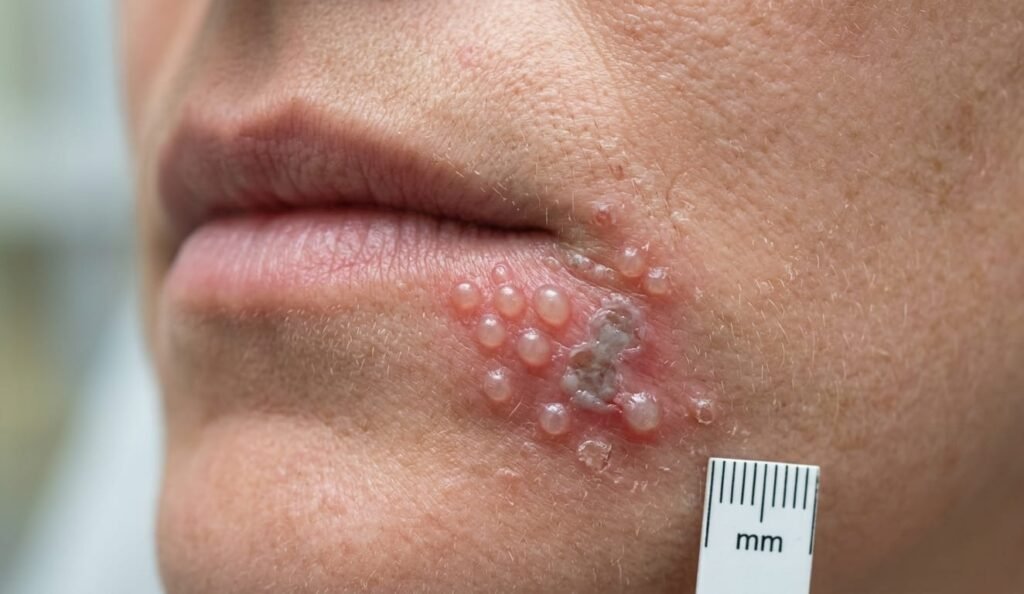
Herpes and Its Types
This viral infection is generally divided into two main categories based on the location of the infection. Oral infections typically affect the mouth and lips and are often linked to HSV-1. These may appear as cold sores or fever blisters and are commonly contracted through non-sexual contact, sometimes even during early childhood.
On the other hand, genital infections are usually associated with HSV-2, although HSV-1 can also cause them. These infections affect the genital and surrounding areas and are most commonly transmitted through sexual contact. Both forms are lifelong conditions, but their behavior, frequency of recurrence, and severity can differ from person to person.
Diagnosis of Herpes
Diagnosing this condition usually involves a combination of clinical examination and laboratory testing. A healthcare provider may visually inspect any active sores and take a sample for testing to confirm the presence of the virus. In situations where no visible symptoms are present, blood tests can be used to detect antibodies.
Getting an accurate diagnosis is important for proper management and peace of mind. It allows individuals to understand their condition better, take necessary precautions, and begin appropriate treatment if needed. It also helps differentiate this infection from other skin conditions that may appear similar but require different approaches.
Treatment and Management of Herpes
Although there is currently no permanent cure, the condition can be managed effectively with antiviral medications. These medications help reduce the severity of symptoms, shorten the duration of outbreaks, and in some cases, lower the risk of transmission to others.
In addition to medical treatment, lifestyle factors play an important role in managing the condition. Maintaining a healthy immune system through balanced nutrition, regular sleep, and stress reduction can help reduce the likelihood of frequent outbreaks. Many individuals also learn to identify personal triggers that may contribute to flare-ups and adjust their habits accordingly.
Living with Herpes
Living with this infection can be emotionally challenging for some people, particularly due to social stigma and misconceptions. However, it is important to recognize that it is a common condition that many individuals manage successfully in their daily lives. With proper understanding and care, it does not have to significantly impact quality of life.
Communication is a key factor when it comes to relationships. Being open with partners and discussing health status can help build trust and reduce misunderstandings. Over time, individuals often develop confidence in managing both the physical and emotional aspects of the condition while maintaining normal routines and relationships.
Prevention of Herpes
Reducing the risk of transmission involves practicing safe habits and being mindful of contact during outbreaks. Using protective measures during sexual activity and avoiding direct contact with active sores are important steps in prevention. Awareness of a partner’s health status can also help reduce the chances of spreading the virus.
While complete prevention is not always possible due to asymptomatic shedding, adopting precautionary measures significantly lowers the risk. Education, awareness, and responsible behavior remain essential in limiting the spread of the virus and protecting both individuals and communities.
Conclusion
Herpes is a widespread viral infection that many people live with, often without realizing its full implications. By understanding how it spreads, recognizing its symptoms, and learning how it is managed, individuals can take control of their health and make informed decisions.
Although the infection cannot be completely cured, it can be effectively controlled with proper care, treatment, and lifestyle adjustments. With increased awareness and reduced stigma, people affected by this condition can lead healthy, confident, and fulfilling lives while managing it responsibly.
To learn more in detail, refer to this trusted source for accurate information on herpes.
