


Introduction
Understanding the costa rica currency is important for anyone planning to visit or do business in this beautiful Central American country. Whether you are a tourist, investor, or digital nomad, knowing how the local currency works can help you avoid confusion and manage your expenses more effectively.
The official costa rica currency is the Costa Rican Colón, which plays a key role in daily transactions across the country. While many places also accept US dollars, the local currency remains widely used, especially in smaller towns and local markets. Learning how it works can make your travel experience smoother and more enjoyable.
What Is the Official Currency of Costa Rica?
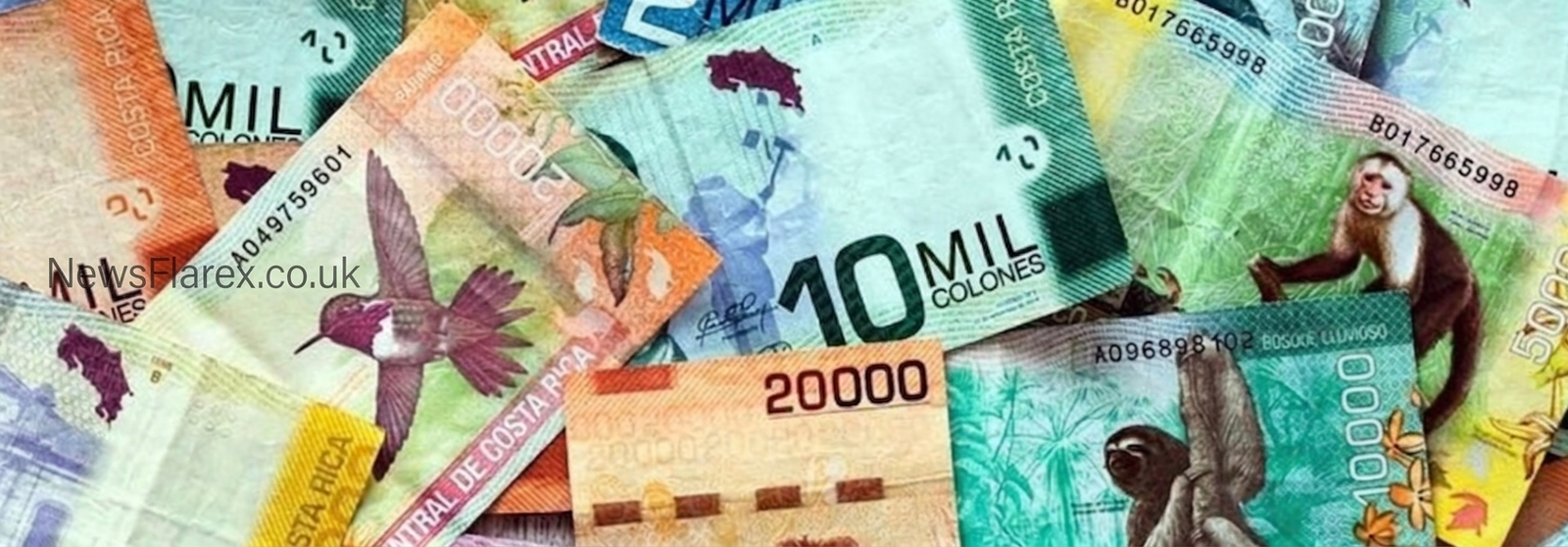
The official costa rica currency is the Costa Rican Colón, often abbreviated as CRC. It has been the country’s official currency since the late 19th century and is named after Christopher Columbus. The colón is divided into smaller units called céntimos, although these are rarely used in everyday transactions today.
When dealing with costa rica currency, you will notice that prices are often written with the symbol ₡. Banknotes and coins are commonly used, with different denominations available to suit everyday purchases. The design of the currency often reflects Costa Rica’s rich biodiversity and cultural heritage, making it visually unique.
History of Costa Rica Currency
The history of costa rica currency dates back to 1896 when the colón replaced the previous currency, the peso. This transition marked an important step in stabilizing the country’s economy and establishing a consistent monetary system. Over time, the currency has evolved in both design and value.
Understanding the background of costa rica currency helps explain its current role in the economy. Like many other currencies, it has experienced periods of inflation and change. However, Costa Rica has maintained a relatively stable financial system compared to some neighboring countries, which adds confidence for visitors and investors.
Exchange Rates and Value Against USD
One of the most important aspects of costa rica currency is its exchange rate, especially against the US dollar. The value of the colón can fluctuate depending on economic conditions, global markets, and local policies. Travelers often compare prices in both colón and dollars to understand their spending better.
In many tourist areas, businesses display prices in both currencies. However, using costa rica currency can sometimes give you better value, especially in local shops and smaller establishments. Being aware of current exchange rates can help you avoid overpaying and make smarter financial decisions.
Using Cash vs Cards in Costa Rica
When using the costa rica currency, both cash and cards are accepted, but usage depends on location. In major cities and tourist spots, credit cards are widely accepted and convenient.
However, in smaller towns and local areas, cash is often preferred. Carrying some local currency helps you handle transportation, small shops, and street vendors without any issues.
Where to Exchange Money Safely
Exchanging money safely is an important part of managing the costa rica currency. Banks and official exchange offices are the best places to convert money, as they offer reliable rates and secure transactions.
Avoid exchanging money on the street, as this can lead to scams or unfair rates. Planning your exchange ahead of time ensures that you get the best value for your money.
Tips for Tourists Using Costa Rica Currency
Tourists can make their trip smoother by understanding how the costa rica currency works in real life. Using the local currency in small shops and local services usually gives better value compared to paying in dollars.
It is also helpful to carry smaller notes, as some places may not have change for large bills. Being prepared helps avoid delays and makes everyday transactions easier.
Economic Role of Costa Rica Currency
The costa rica currency plays a vital role in the country’s economy. It supports trade, tourism, and local businesses, making it an essential part of daily life.
Costa Rica’s economy is strongly linked to tourism, exports, and services, which all depend on a stable currency system. This stability helps build trust among both locals and international visitors.
Common Mistakes to Avoid with Costa Rica Currency
Many travelers make simple mistakes when dealing with costa rica currency, such as relying only on US dollars or not checking exchange rates. These errors can lead to unnecessary expenses and confusion.
Another common issue is not understanding the value of different denominations of costa rica currency. Taking time to familiarize yourself with the currency can help you avoid mistakes and manage your money more effectively during your trip.
Future of Costa Rica Currency
The future of the costa rica currency is influenced by global economic trends and local policies. As digital payments continue to grow, the use of physical cash may decrease over time.
However, the colón will remain an important part of Costa Rica’s financial system. Its continued stability ensures that it will support both local transactions and international trade in the years ahead.
Conclusion
Understanding the costa rica currency is essential for anyone visiting or engaging with the country’s economy. From its history and exchange rates to practical usage tips, having a clear understanding can make your experience smoother and more enjoyable.
By learning how to use costa rica currency effectively, you can avoid common mistakes and manage your finances with confidence. Whether you are traveling for leisure or business, this knowledge ensures that you are well-prepared for your journey.
You can learn more about exchange rates and the Costa Rican colón on this trusted resource.
