


cronología de club de fútbol cruz azul contra club américa
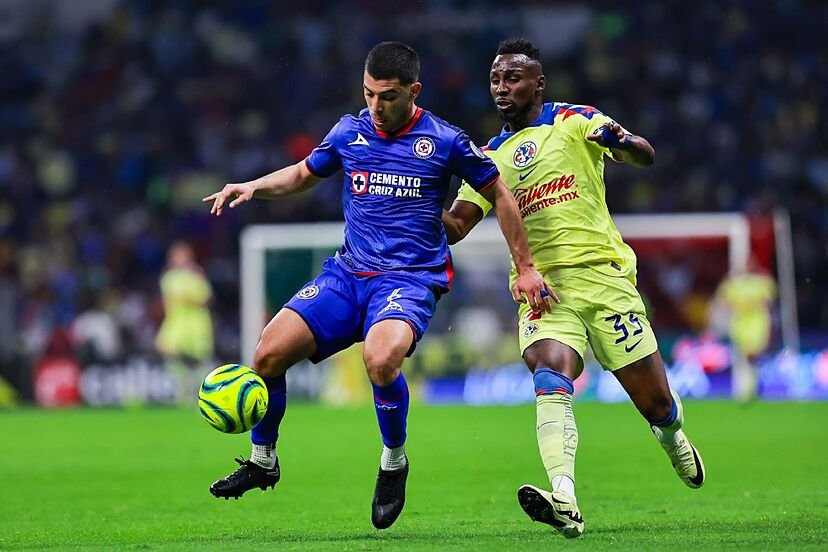
Few rivalries in Latin American football carry the same intensity, drama, and historical weight as the clashes between Cruz Azul and Club América. Known as the Clásico Joven, this matchup has evolved over decades into one of the most anticipated fixtures in Mexican football. It is not just about results; it is about legacy, identity, heartbreak, and redemption.
This detailed chronology explores the evolution of the rivalry, highlighting key matches, defining eras, iconic players, and the deeper cultural significance behind every encounter.
The Early Years: Foundation of a Rivalry (1960s)
The roots of the Cruz Azul vs América rivalry date back to the early 1960s, when Cruz Azul was still establishing itself in Mexican top-flight football. Their first encounter in 1963 ended in a convincing victory for América, signaling an early dominance by the more established club. At that time, América already had a strong presence in Mexican football, while Cruz Azul was still building its identity after promotion.
When Cruz Azul officially joined the top division in 1964, the rivalry began to take shape in competitive matches. América continued to dominate the early years, winning several encounters and asserting itself as the stronger side. However, Cruz Azul showed steady improvement, gradually becoming more competitive and closing the gap.
Although the rivalry lacked emotional intensity at first, the seeds were planted. Both teams were based in Mexico City, and as their fan bases grew, so did the significance of their meetings. What began as a regular league fixture slowly started turning into a matchup filled with anticipation.
The 1970s Breakthrough and Birth of the Clásico Joven
The 1970s marked a turning point in the rivalry, especially during the 1971–72 season. In that campaign’s final, Cruz Azul delivered a stunning 4–1 victory over América, a result that changed the narrative completely. This was not just a win; it was a statement that Cruz Azul had arrived as a major force.
This era saw Cruz Azul become one of the dominant teams in Mexican football, winning multiple league titles. Their success directly challenged América’s status, intensifying the rivalry. It was during this period that the term Clásico Joven began to gain popularity, distinguishing this matchup from older Mexican rivalries.
The emotional stakes increased dramatically. Matches were no longer just about points; they became battles for pride and supremacy. Fans began to identify strongly with their teams, and each encounter added another chapter to the growing rivalry.
Competitive Growth and Iconic Encounters (1980s)
The 1980s brought balance and unpredictability to the rivalry. Both teams enjoyed periods of success, and their matches became more evenly contested. This decade featured several intense league clashes and playoff battles that kept fans on edge.
One of the defining characteristics of this era was the emergence of tactical battles. Matches were often decided by narrow margins, with defensive discipline and strategic play playing key roles. Coaches began to prepare specifically for this rivalry, understanding its importance beyond the league standings.
The 1980s also saw the rise of influential players who left a lasting mark on the rivalry. Their performances in crucial matches elevated the intensity and helped solidify Cruz Azul vs América as one of the premier fixtures in Mexican football.
The 1990s Era: Drama, Passion, and Growing Fan Culture
During the 1990s, the rivalry expanded beyond the pitch and became deeply embedded in Mexican football culture. Matches attracted massive crowds and television audiences, reflecting their growing popularity nationwide.
This decade was filled with dramatic moments, including late goals, controversial refereeing decisions, and emotionally charged encounters. Both teams experienced highs and lows, but their head-to-head clashes remained fiercely competitive.
Fan culture also evolved significantly during this period. Supporters of both clubs developed strong identities, creating an electric atmosphere during matches. The rivalry was no longer just about football; it became a symbol of pride and loyalty for millions of fans.
Historic Finals and Defining Moments
One of the most important aspects of the Cruz Azul vs América chronology is their meetings in finals and decisive matches. These high-stakes encounters have often defined entire seasons and left lasting emotional impacts.
Among the most famous is the 2013 Liga MX Clausura final, widely regarded as one of the most dramatic matches in Mexican football history. América staged a remarkable comeback in the closing moments, eventually winning in a penalty shootout. This match became a symbol of heartbreak for Cruz Azul and resilience for América.
Such finals have reinforced América’s reputation for performing under pressure, while Cruz Azul has often been seen as unlucky in crucial moments. These narratives continue to shape how fans and analysts view the rivalry today.
Statistical Timeline and Head-to-Head Evolution
Over the decades, the head-to-head record between Cruz Azul and América has reflected both competition and imbalance. América has historically maintained an edge in total victories, particularly in decisive matches such as finals and playoffs.
However, the numbers also reveal periods of dominance by Cruz Azul, especially during the 1970s and certain stretches in later decades. The rivalry has never been completely one-sided, which is a key reason for its enduring appeal.
The frequency of draws and closely contested matches highlights the competitive nature of the fixture. Even when one team appears stronger on paper, the unpredictability of the Clásico Joven ensures that anything can happen on match day.
Iconic Matches and Unforgettable Scorelines
Throughout its history, the rivalry has produced numerous unforgettable matches. Some games are remembered for their dramatic endings, while others stand out for their surprising scorelines.
One of the most shocking results came in 2022, when América defeated Cruz Azul 7–0. This result stunned fans and became one of the largest victories in the rivalry’s history. It showcased América’s attacking power and highlighted a difficult period for Cruz Azul.
On the other hand, Cruz Azul has also delivered dominant performances, including high-scoring victories that demonstrated their ability to rise to the occasion. These contrasting results add to the unpredictability and excitement of the rivalry.
The Modern Era: Rivalry in the 2020s
In recent years, the Cruz Azul vs América rivalry has remained as intense as ever. América has generally held a slight advantage in recent head-to-head encounters, particularly in knockout stages and crucial matches.
However, Cruz Azul has continued to challenge strongly, securing important victories and maintaining its competitive edge. The modern era has seen a mix of experienced players and young talents contributing to the rivalry’s evolution.
The influence of modern tactics, sports science, and global exposure has also shaped the way these matches are played. Despite these changes, the core intensity and emotional significance of the rivalry remain unchanged.
Legendary Players and Their Impact on the Rivalry
The history of Cruz Azul vs América is filled with legendary players who have defined different eras of the rivalry. These players have delivered memorable performances and created moments that fans still talk about today.
One of the most notable figures is Carlos Hermosillo, a prolific goal scorer who made a significant impact in matches between the two teams. His contributions helped elevate the rivalry’s profile and added to its competitive narrative.
Other players who have represented both clubs have added another layer of intrigue. Transfers between the teams often spark controversy and increase the emotional stakes, as players carry their history from one side to the other.
Cultural Significance and Lasting Legacy
The Clásico Joven is more than just a football match; it is a cultural phenomenon. It represents the passion, identity, and pride of Mexican football fans. Each match is an event that captures national attention and brings communities together.
The rivalry also reflects broader themes within Mexican football, including competition between tradition and modernity, as well as the evolution of the sport over time. It continues to inspire new generations of fans and players alike.
As the chronology of Cruz Azul vs América continues to unfold, one thing remains certain: this rivalry will always hold a special place in the history of football. With every match, new chapters are written, ensuring that the legacy of the Clásico Joven endures for years to come.
Read More: NEWSFLAREX
