


Introduction
Understanding Currency Exchange is essential in today’s global world, where people travel, trade, and do business across borders. Whether you are planning a trip, sending money abroad, or investing internationally, knowing how exchange rates work can help you save money and avoid unnecessary losses.
The concept of Currency Exchange may seem complex at first, but it becomes easier once you understand the basics. It involves converting one country’s currency into another, and the value of each currency changes based on economic factors. Learning how this system works can help you make smarter financial decisions.
What Is Currency Exchange and How It Works
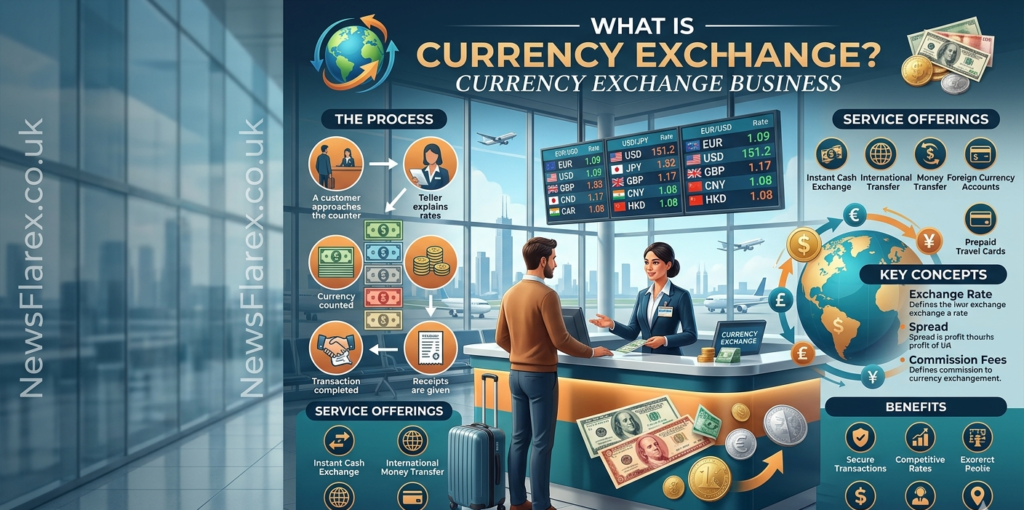
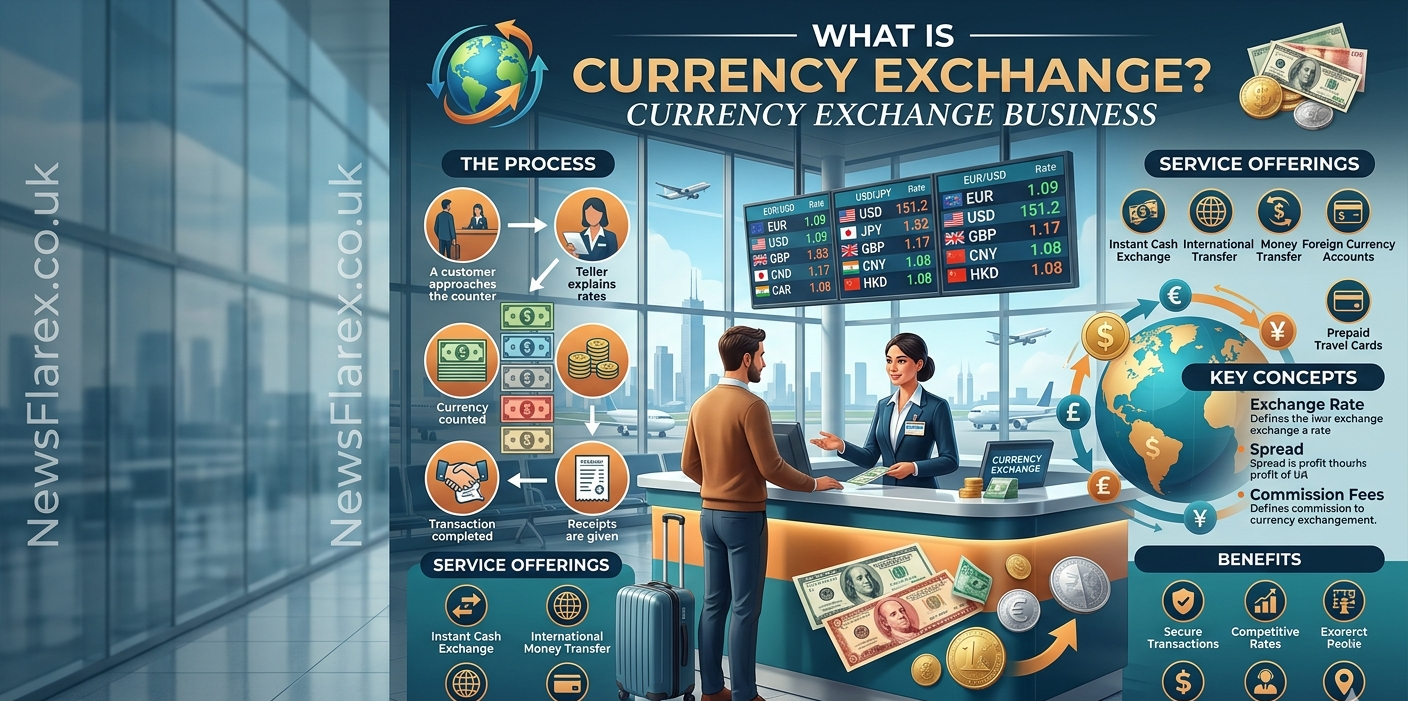
Currency Exchange refers to the process of converting one currency into another based on a specific rate. These rates are determined by global financial markets and are influenced by supply and demand. For example, when you convert US dollars into euros, the amount you receive depends on the current exchange rate.
The process of Currency Exchange takes place through banks, exchange offices, and online platforms. Each provider may offer slightly different rates and fees. Understanding how these differences work can help you choose the best option and get more value for your money.
Factors That Influence Currency Exchange Rates
Several factors affect Currency Exchange rates, including economic stability, interest rates, inflation, and political conditions. When a country’s economy is strong, its currency usually gains value compared to others.
Global events also play a major role in shaping Currency Exchange rates. Changes in trade policies, international relations, and financial markets can cause currencies to rise or fall. Staying informed about these factors can help you understand why rates change over time.
Types of Currency Exchange Systems
There are different systems used in Currency Exchange, including floating, fixed, and managed exchange rates. In a floating system, the value of a currency is determined by market forces without direct government control.
In contrast, a fixed system sets the currency value against another major currency, while a managed system combines both approaches. Each type of Currency Exchange system has its own advantages and challenges, depending on the country’s economic strategy.
Best Places for Currency Exchange
When it comes to Currency Exchange, choosing the right place can make a big difference. Banks and official exchange centers are generally the safest options, offering reliable rates and secure transactions.
Airports and hotels also provide exchange services, but they often charge higher fees. For better value, it is important to compare rates and avoid unnecessary charges when handling Currency Exchange.
Currency Exchange for Travelers
Travelers often deal with Currency Exchange when visiting different countries. It is important to plan ahead and understand the local currency before traveling. Carrying a mix of cash and cards can provide flexibility.
Using local currency for small purchases is usually more convenient. Being aware of exchange rates and fees helps travelers manage their budgets more effectively and avoid overspending.
Online Currency Exchange and Digital Platforms
With the rise of technology, Currency Exchange has become more accessible through online platforms. Digital services allow users to convert money, send payments, and track exchange rates in real time.
Online Currency Exchange platforms often provide competitive rates and lower fees compared to traditional methods. However, it is important to use trusted services to ensure security and reliability.
Common Mistakes to Avoid in Currency Exchange
Many people make simple mistakes when dealing with Currency Exchange, such as not checking rates or ignoring hidden fees. These errors can lead to unnecessary costs.
Another common mistake is exchanging money at inconvenient locations with poor rates. Taking time to compare options and understand the process can help you avoid these issues and get the best value.
Benefits of Understanding Currency Exchange
Having knowledge of Currency Exchange offers many benefits. It allows you to manage your finances better, especially when dealing with international transactions.
It also helps you make informed decisions about travel, business, and investments. By understanding how exchange rates work, you can reduce risks and take advantage of better opportunities.
Future Trends in Currency Exchange
The future of Currency Exchange is being shaped by digital innovation and global connectivity. Cryptocurrencies, digital wallets, and online platforms are changing how people exchange money.
As technology continues to evolve, Currency Exchange is expected to become faster, more secure, and more accessible. These advancements will make it easier for individuals and businesses to operate across borders.
Conclusion
In conclusion, Currency Exchange is a vital part of the global economy that affects travel, trade, and financial decisions. Understanding how it works can help you avoid mistakes and make smarter choices when dealing with money.
By learning about rates, systems, and best practices, you can handle Currency Exchange with confidence. Whether you are a traveler or a business owner, this knowledge will help you manage your finances more effectively in an interconnected world.
