


Introduction to Las Vegas
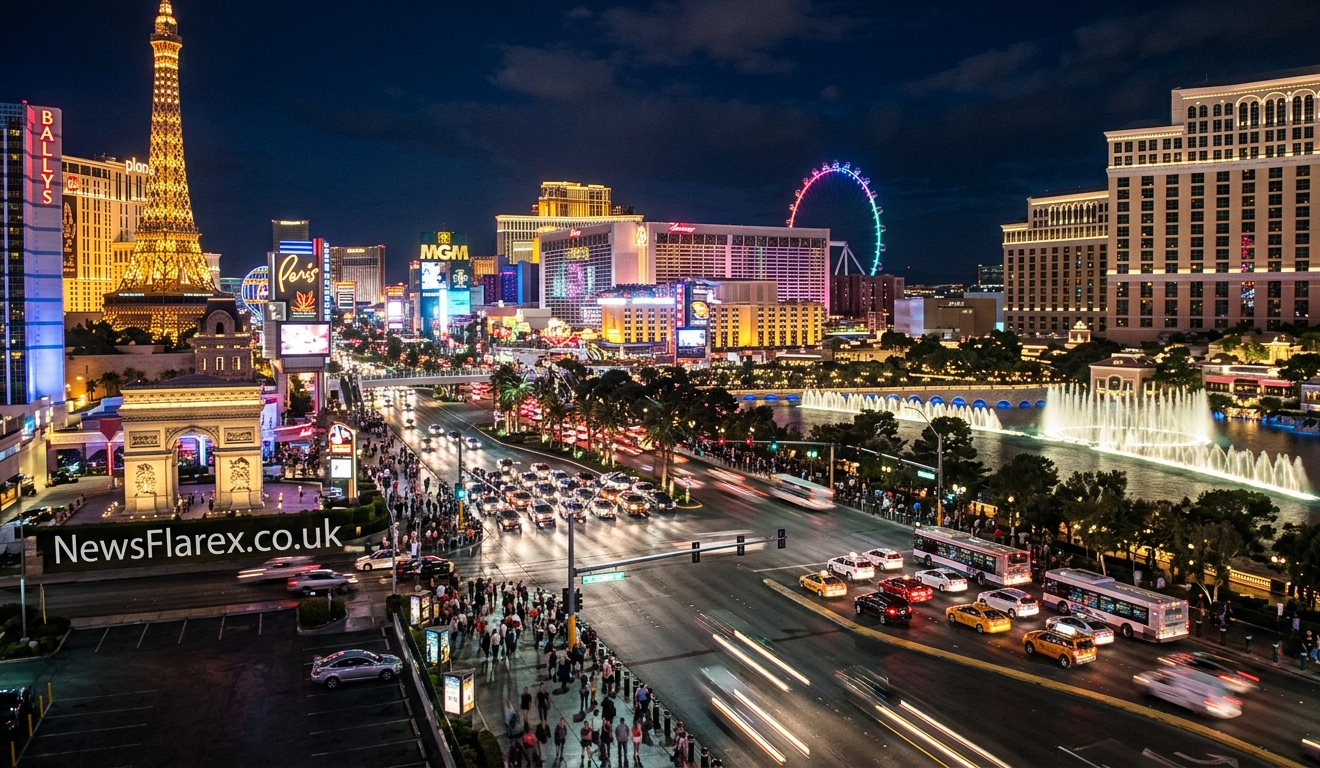
Las Vegas is one of the most recognized travel destinations in the world, known for its bright lights, luxury resorts, and world-class entertainment. Located in Nevada, this desert city has built a global reputation as a place where visitors can enjoy excitement, relaxation, and unforgettable experiences. From iconic casinos to fine dining and shopping, Las Vegas offers a unique mix of attractions that attract millions of tourists every year.
Over time, Las Vegas has evolved beyond its gambling roots. Today, it appeals to families, couples, and business travelers who come for shows, events, and cultural experiences. This shift has helped Las Vegas stay relevant while maintaining the energy that made it famous.
The History and Evolution of Las Vegas
Founded in 1905, Las Vegas began as a small railroad stop in the American Southwest. Its transformation started in 1931 when gambling was legalized in Nevada, opening the door for rapid development. Investors and entrepreneurs quickly turned Las Vegas into a growing entertainment hub.
During the mid-20th century, large resorts and themed casinos began to appear, shaping the city’s identity. The development of the Strip played a major role in turning Las Vegas into a global icon. Over time, the city has continued to adapt and grow.
The Iconic Strip and Major Attractions
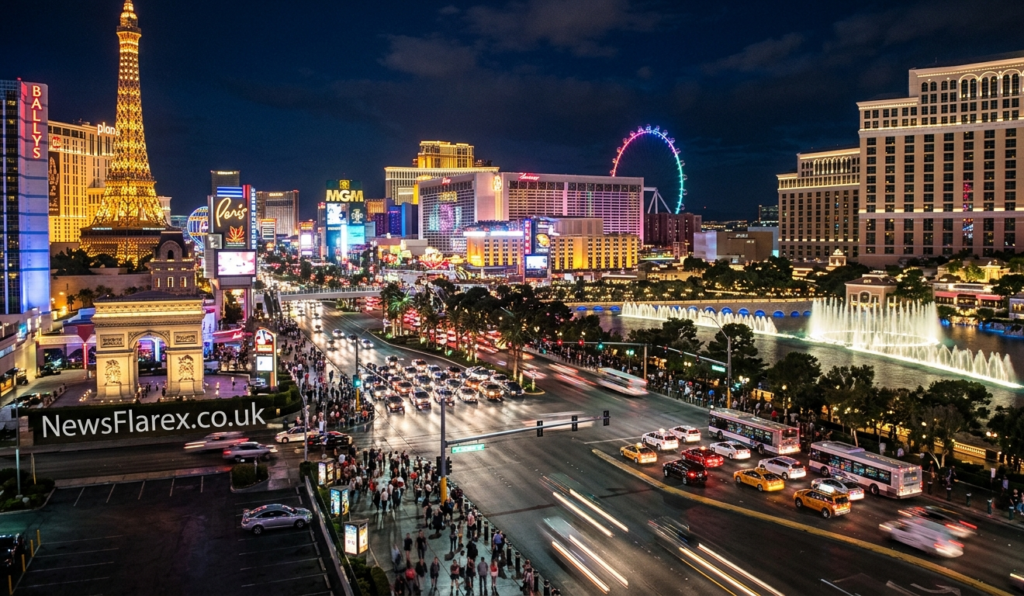
The famous Strip is the heart of Las Vegas tourism and one of the most visited streets in the world. Lined with massive hotels, entertainment venues, and dazzling lights, it creates an immersive experience for visitors. The atmosphere reflects the vibrant identity of Las Vegas.
Beyond the main boulevard, Las Vegas offers a variety of attractions. From museums and art spaces to nearby natural wonders like the Grand Canyon, visitors can enjoy much more than nightlife. This diversity strengthens the appeal of Las Vegas.
Tourism and Economic Importance
Tourism is the backbone of Las Vegas, generating billions of dollars annually. Millions of visitors contribute to the economy through spending on hotels, food, entertainment, and shopping. This steady flow supports a large workforce.
Las Vegas has also developed a strong convention industry. Business events and exhibitions bring consistent activity throughout the year. This balance between tourism and business helps maintain economic stability.
Entertainment and Nightlife Scene
Entertainment is central to Las Vegas and a major reason for its popularity. The city hosts world-class shows, concerts, and performances that attract global audiences. Productions like Cirque du Soleil add to its international appeal.
The nightlife in Las Vegas is equally vibrant. From clubs to lounges, visitors can enjoy a wide range of experiences. This variety ensures that Las Vegas remains exciting at all hours.
Casinos and Gambling Culture
Casinos are a defining feature of Las Vegas and continue to attract visitors seeking excitement. With numerous gaming options, the industry generates significant revenue and remains a key part of the city’s identity.
However, Las Vegas has expanded its focus beyond gambling. Entertainment, dining, and lifestyle experiences now play an equally important role. This evolution has broadened the city’s appeal.
Living in the City: Lifestyle and Culture
Las Vegas is not just a tourist destination but also home to a growing population. Residents benefit from job opportunities, modern infrastructure, and a relatively affordable lifestyle compared to other major cities.
The culture of Las Vegas is diverse and dynamic. While the tourist areas are fast-paced, residential communities offer a more balanced environment, giving the city a unique character.
Business, Events, and Global Reach
Las Vegas is a major hub for business events and conventions. Venues like the Las Vegas Convention Center host international conferences and trade shows that attract professionals from around the world.
This strong convention industry ensures a steady flow of visitors and enhances the global reputation of Las Vegas as both an entertainment and business destination.
Challenges and Future Development
Like any major city, Las Vegas faces challenges such as economic fluctuations and changing travel trends. Its reliance on tourism means global conditions can impact visitor numbers.
Despite this, Las Vegas continues to invest in growth and innovation. New attractions and developments are shaping its future, ensuring it remains competitive and appealing.
Conclusion
Las Vegas stands as a symbol of transformation and entertainment. Its journey from a small desert town to a global destination highlights its ability to adapt and grow.
With ongoing development and a strong tourism base, Las Vegas is well-positioned for the future. It continues to attract visitors from around the world and remains one of the most exciting destinations globally.
