


Introduction
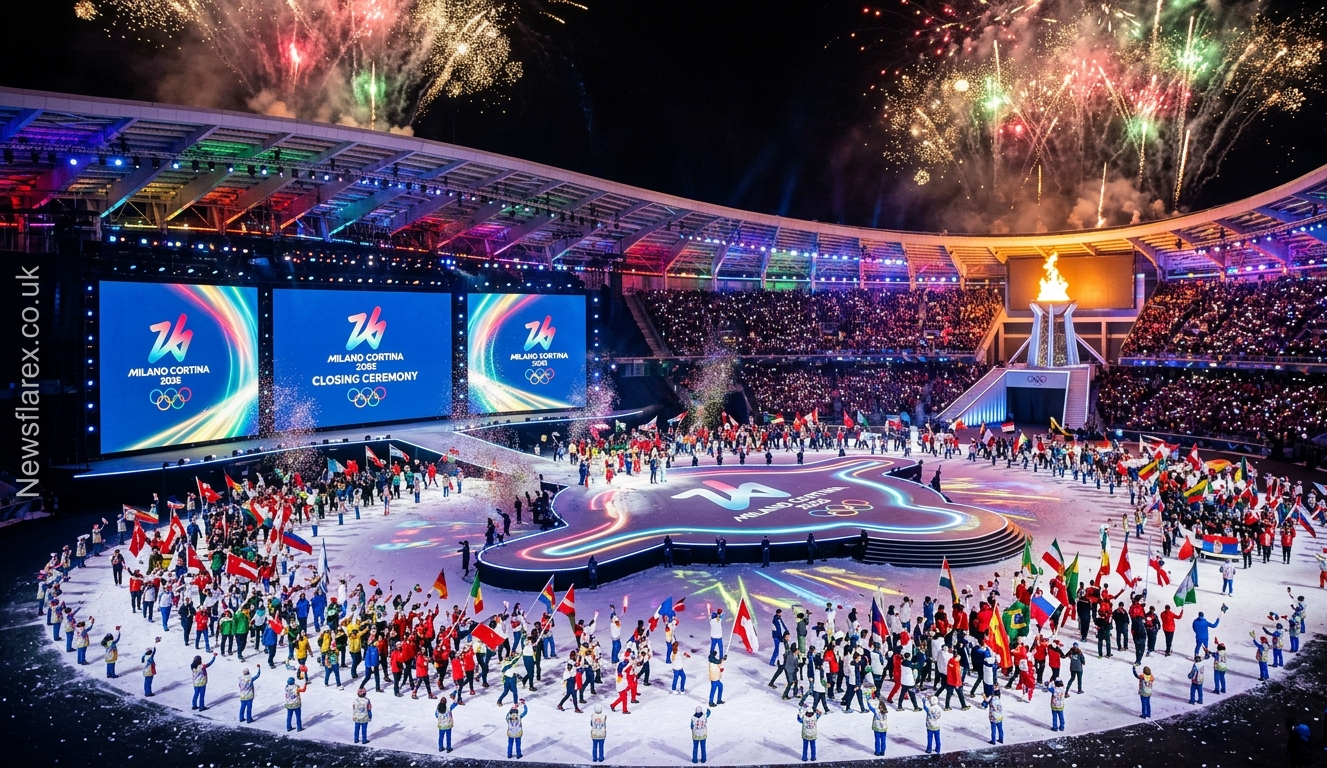
2026 Winter Olympics Closing Ceremony was one of the most anticipated global events, marking the official end of the Winter Games. After weeks of intense competition, emotional victories, and unforgettable performances, the ceremony served as a grand farewell to athletes and spectators around the world. It combined tradition, culture, and modern entertainment in a way that reflected both the Olympic spirit and Italy’s rich heritage.
As millions of viewers tuned in from across the globe, the closing ceremony stood as more than just a celebration. It symbolized unity, resilience, and the culmination of years of preparation. With its artistic presentation and meaningful rituals, the event created a lasting impression that extended far beyond the sporting arena.
Host City and Venue of the Closing Ceremony
Unlike many previous Winter Olympics, the 2026 Games were uniquely spread across multiple locations in Italy, including Milan and Cortina d’Ampezzo. However, the closing ceremony took place in the historic city of Verona, adding a distinctive cultural dimension to the event. The venue selected for this global spectacle was the iconic Verona Arena.
The Verona Arena, originally built in the 1st century, is one of the best-preserved Roman amphitheaters in the world. Hosting the Olympic closing ceremony in such a historic location created a powerful blend of ancient architecture and modern celebration. The setting itself became a central part of the ceremony’s identity, showcasing Italy’s deep historical roots to a global audience.
Theme and Artistic Direction
The closing ceremony revolved around a central theme often described as a celebration of beauty, creativity, and human achievement. Italian culture played a key role in shaping the artistic direction, with elements inspired by classical art, opera, and contemporary design. The production aimed to present Italy not just as a host nation, but as a symbol of artistic excellence.
The creative team behind the ceremony focused on delivering a visually stunning and emotionally engaging experience. Through carefully choreographed performances, lighting design, and music, the ceremony conveyed a narrative that connected the past, present, and future. This artistic approach made the event both meaningful and memorable.
Cultural Performances and Entertainment
One of the highlights of the 2026 Winter Olympics closing ceremony was its diverse lineup of cultural performances. The event featured a blend of traditional Italian music and modern global acts, creating a unique fusion that appealed to a wide audience. Performers drew inspiration from Italy’s rich musical heritage, including influences from opera and classical compositions.
At the same time, contemporary artists brought energy and excitement to the stage, ensuring that the ceremony resonated with younger viewers as well. The combination of classical elegance and modern entertainment reflected the evolving nature of the Olympic Games. Each performance contributed to a larger narrative that celebrated creativity and cultural diversity.
Parade of Athletes and Olympic Unity
The parade of athletes is one of the most symbolic moments in any Olympic closing ceremony, and the 2026 edition was no exception. Athletes from around the world entered the arena together, rather than by country, representing unity and shared experience. This tradition highlights the Olympic values of friendship and mutual respect.
After weeks of intense competition, the ceremony provided athletes with a chance to relax and celebrate their achievements. The atmosphere was joyful and emotional, as competitors who had once faced each other as rivals came together as part of a global community. This moment captured the true essence of the Olympic spirit.
Official Protocol and Ceremonial Traditions
The closing ceremony followed a series of established Olympic traditions that have been maintained for decades. One of the key moments was the lowering of the Olympic flag, symbolizing the end of the Games. This was accompanied by the Olympic anthem, creating a solemn and reflective atmosphere.
Another important part of the ceremony was the official speeches delivered by representatives of the International Olympic Committee. These speeches acknowledged the efforts of athletes, organizers, and volunteers. The formal declaration of the Games’ closure marked the conclusion of an extraordinary international event.
Handover to the Next Host City
A significant highlight of the closing ceremony was the handover segment, where the Olympic flag was passed to the next host city. This tradition represents continuity and the ongoing legacy of the Olympic movement. It also serves as an introduction to the next edition of the Winter Games.
The handover included a cultural presentation from the upcoming host nation, offering a preview of what to expect in the future. This segment created excitement and anticipation among viewers, reinforcing the idea that the Olympic journey never truly ends but continues to evolve with each new host.
Global Broadcast and Audience Reach
The closing ceremony of the 2026 Winter Olympics was broadcast to millions of viewers worldwide through television and digital platforms. Major networks ensured that audiences across different regions could experience the event live. Streaming services also played a crucial role in expanding accessibility.
The widespread coverage highlighted the global appeal of the Olympics. Social media platforms further amplified the event, allowing fans to share reactions and engage with the ceremony in real time. This digital interaction added a modern layer to the traditional viewing experience.
Legacy of the 2026 Winter Olympics
The closing ceremony not only marked the end of the Games but also highlighted their long-term impact. Italy’s successful hosting demonstrated its ability to organize a large-scale international event while showcasing its culture and heritage. The use of historic venues like the Verona Arena set a new standard for creative event planning.
The Games also emphasized sustainability and innovation, reflecting the evolving priorities of the Olympic movement. From infrastructure development to cultural promotion, the legacy of the 2026 Winter Olympics will continue to influence future events and host cities.
Conclusion
The closing ceremony of the 2026 Winter Olympics was a powerful and emotional conclusion to a remarkable global event. Set in the historic Verona Arena, it combined tradition, culture, and modern entertainment to create a truly unforgettable experience. From the parade of athletes to the ceremonial rituals and cultural performances, every element reflected the values of the Olympic movement.
As the Olympic flag was passed to the next host city, the ceremony reminded the world of the enduring spirit of unity and excellence. The 2026 Winter Olympics closing ceremony will be remembered not only for its grandeur but also for its meaningful celebration of humanity, culture, and sport.
